Wednesday, February 6, 2019

Momentum and the Art of the Ending

Growing up, one of my favorite things to do was play video games (she said, as if this phase had passed at all). I was particularly into RPGs and like any good 90's kid with a Playstation, this meant a lot of Final Fantasy. Little surprise, I was largely into these games "for the stories," but my favorite part of the games usually came when the gaming mechanism and the storytelling were the most at odds. My delight was the late game side-quest.

I really wanted that dress made of belts, I tell ya.

Side-quests are like the subplots of video games - not strictly necessary for the wider narrative, but very important in that they add richness and depth to the world. In genres like science fiction and fantasy, which numerous video games and all Final Fantasy games fall into, side-quests and subplots are essential for giving the epic scope to the world building that a too tightly hemmed story could not.

But there is a time and place for all things in fiction, and video games often fall into a trap of going off the rails thanks to the inclusion of the side-quest. In every Final Fantasy game, all the best side-quests opened up right at the end of the game, when you finally had an airship to fly around the map and enough weapons to blow up whatever might be at the end of your little diversion from the plot. Often, the end of a game played out like this:

Girl in dress made of belts: Oh no! Thousands have been murdered by Lord Eveelus and his laser drill! If only we'd beaten him to the cave of Ger'blath and the mystic jewel inside!
Spikey-haired dude: BROODING
Guy with guns even though everyone else has swords: We must go to the government facilities at Rindondonk and stop Eveelus from activating the drill again!
Spikey-haired dude: Now that my amnesia is gone and I know Lord Eveelus is my father, I must kill him. This war cannot wait.
*COLLECTIVE BROODING*
Girl with glasses: I'll fire up the engines and we'll go to Rindo-
Me, the Player: Nope. Please head to the northeast corner of the map.
Glasses girl: But Lord Eveelus-
Me: Nope, definitely not. We finally have an airship and there's an island in the northeast corner we haven't explored yet and what if there's a really big sword on it? Don't worry, it can wait.

And it could! It was never essential that you actually head to Rindondonk right away. Lord Eveelus would wait. By the time I got around to the main plot line again, I'd generally forgotten half the details of the final conflict and all sense of urgency was gone.

In books, the author controls the pacing of the plot and inclusion of subplots, so this kind of thing is rarer, but it does still happen. I've heard a few people comment that the end of the first Hunger Games book can be a bit rough for this. Right as Katniss is starting to get confident in her position in the games, she spends a few chapters getting Peeta's health back in order. It serves the narrative well in many ways, but as my sister once put it, for some reason it feels like she's stuck in that cave with Peeta for forever. All the momentum the book built up to that point screeches to a halt.

Even Katniss is so done with this cave.

Pacing refers to the speed at which the reader is pulled through the plot, and is one of the trickier things to master in writing. Both the romance with Peeta and even that quest to the north east corner of the video game world are necessary parts of their stories, even if they are subplots. But included in the wrong place or dragged on too long, they reduce the impact of later scenes that are maybe more important for the resolution of the overarching story.

For endings in particular, good pacing usually means preserving momentum. By the time the climax arrives, readers generally don't want diversions. They want to feel the urgency of the characters carry them through to the end. Achieving this means that all the set-up for the ending needs to come earlier - those subplots need to be woven in before the crush of the final conflict squeezes out space for them. Yes, parts of the subplot can come back. Take the end of the Harry Potter franchise where, right before the final battle with Voldemort in the seventh book, Percy Weasley turns up, begging his family to forgive him for being a butt and let him fight alongside them. There's a tense family moment, but very quickly, that resolution happens, because that subplot was set up a long, long time ago. Not much is needed by the time Percy bursts onto the scene. His character growth feels like a part of the climax, rather than a diversion from it.

So while the problem with Katniss and Peeta might happen in the cave, the root cause was probably earlier. Suzanne Collins showcases the pair together plenty in the first half, but Katniss doesn't demonstrate much vulnerability to Peeta until the cave scene. If Collins had let them be a little more tender together earlier, she might not have needed to spend so long in the final third of the book trying to earn all those "feels" she needed for the final climax to work. Maybe that story Katniss told about Prim's goat should have been back on their pre-games train ride. Then there could have been a quick allusion to it, then immediate kissing and behold! The cave scene is a chapter shorter and my sister is a chapter less antsy for the action to pick up.

As is the case in most things in life, one of the best examples of pacing endings properly comes to us from the TV show Survivor. I've mentioned before on this blog that I find the show a fascinating lesson in editing, and often what I'm meaning by that is editing for pacing. Survivor pioneered a lot of tropes in reality TV, but it's fascinating what particular tropes they carefully avoided from the beginning of the show, and one was the late episode commercial cut.

MUAHAHAHAHA! I'm talking about Survivor again!!!

From American Idol to Cutthroat Kitchen, almost every other elimination style reality show relies on a cheap form of cliffhanger to keep viewers around past commercial breaks. Right as the host is about to announce the eliminated contestant, the camera cuts away and you're suddenly watching a woman dance around her kitchen with Mr. Clean. But not on Survivor. This was a conscious decision on the part of the producers, who didn't want to compromise the momentum of these important moments or cheapen them with content they didn't control. It paid off, and eighteen years after it aired, the show is still going strong, while scores of imitators have fallen. I'm of the opinion that people get tired of being manipulated. Those pre-elimination commercial breaks serve as reminders that producers see their audiences as potential customers, and their own shows as gimmicks that get you to watch advertisements. Obviously this isn't the only reason most of these shows turn-over and get replaced by other, similar reality shows, but it speaks to a lack of care from the show runners. If the climax of a story isn't sacred, then nothing is.

In contrast, on Survivor, from the start of tribal council to the eliminated contestant getting their torch snuffed, there are no commercials, no artificial breaks and no outside-the-moment confessionals from other players. For writers, the lack of confessionals is particularly important. Throughout the rest of the episode, confessionals are used to provide narration alongside the scenes of camp and give the viewer a glimpse into what the contestants are *really* thinking. During tribal council, however, the emphasis is on the moment at hand. All the set-up that gets the viewer into the players heads has to be already done.

In a particularly well crafted episode, the viewers know enough about the inner workings of camp-life to have a sense of who is vulnerable to elimination each night, but not enough to know for certain who it will be. Tribal then unfolds in a manner that makes it feel more "live," even though the whole show is pre-recorded and edited. Still, it tricks the brain into feeling the urgency of the moment and the show doesn't relinquish that urgency until after the votes are read. It's solid, good storytelling.

Survivor isn't perfect from a storytelling perspective. Believe me, I have examples. But I find some of the choices they make interesting and instructive because for how silly the show is, it's edited extremely well. Meandering, unfocused endings are very easy to write, and I've seen a few of them editing unpublished works. Truthfully, I've written them as well.

Luckily, I've got reality TV to correct all the things I learned from video games.

Friday, November 23, 2018

Harry Potter and the Preservation of the Status Quo

In 1996, one year before the release of the first Harry Potter book, another YA fantasy series got its start. Critically acclaimed at the time, and borderline obscure now, The Thief, by Megan Whalen Turner, takes place in a world inspired by Renaissance Era Greece and Turkey. It's one of my favorite on-going series (she just released the most recent one in 2017) and it's about...

Um...

Well...

The first one is about a thief, but that was probably self-explanatory. And I already mentioned the Greece/Turkey thing. Other than that? Weeeeeelllllll........

Seriously though, great book.
One of the strengths and weaknesses of the series is that Turner plays fast and loose with the rules of good series writing. Her books are rarely from the point of view of the same character twice, she flip flops between third and first person perspective with abandon (arguably even using second person perspective at one point), and the tone and structure of the plots range wildly across the five books. When you pick up a novel in this series, you don't really know what you're going to get.

While it's something I love and respect about her writing now, this almost killed the series for me in the second book. The first is still my favorite, and I went into book two expecting something similar. But they weren't the same types of stories. I almost didn't read the third, but my best friend was so insistent that the third one was wonderful, I eventually gave in. I'm glad I did, because (again) the third was nothing like the second OR first, but at least I liked it and at this point, knew better than to expect consistency.

Now don't get me wrong; you still need to read them in order for the story to come together fully. And there are common elements between them, like the general setting and an emphasis on story-telling and mythology. But between the drawn out release schedule (book five was released last year, twenty-one years after the first book came out) and the lack of a status quo, I get why this series never blew up in the public conscience the way Harry Potter did a year later. Frankly, it's hard to pitch a series that doesn't stick to it's own rules.

Harry Potter and the Mystery of the Magical Thingy

Quick question: What are the Harry Potter books about?

Almost anyone can list the basic components off the top of their heads: Boy wizard attends magic school, makes friends and goes on adventures trying to solve what wacky hijinks Voldemort has in store for this edition!

In addition to the basic premise pitched above, here are a few other stalwarts that showed up in every (or almost every) Harry Potter book:
- a new spell/magical object, which would be key to solving the book's central mystery
- a new Defense Against the Dark Arts teacher
- Quidditch matches
- a pivotal scene at Christmas time
- a conversation with Dumbledore at the end of the book
- Hogwarts itself figures almost like a character
- most scenes written in third person, limited point of view, from Harry's perspective
- thoroughly described British food
- Harry, Ron and Hermione operating as a trio, despite their differences

A Deathly Hallow, given at Christmas. I know what I'm talking about, man!

The book that strayed the most from this formula was, of course, the final one, Harry Potter and the Deathly Hallows. I mentioned in my ranking of the seven Harry Potter books that I think the books lost something by abandoning Hogwarts, but I know plenty of people who feel differently. Part of me agrees. Rowling spent a long time at Hogwarts and was clearly sick of writing Quidditch and frankly, Quidditch matches would have seemed so superfluous in the final installment, I'm glad she didn't hem too strictly to her previous models. Overall, while Deathly Hallows might be missing some of the fun and magic of earlier books, the changes feel justified.

But there are still a remarkable number of ways Deathly Hallows doesn't rock the boat. The central heroes don't change. The final battle still is at Hogwarts. The quality of British food has gone down in the camping sequences. There's an emotional Christmas at Godric's Hollow. And not even death can stop Dumbledore from giving an end of book pep-talk to Harry.

Arguably, the Harry Potter books are rather stagnant sequel to sequel, but I'd argue that's one of their strengths. They changed just enough each time, but never the core of what people enjoyed. Rowling wisely built into her model things we could expect to change book to book - new teachers, new spells - so that she could get away with adding new material that didn't feel as though it broke the rules of the previously established world/books.

The best series establish a status quo readers want to return to, but build some flexibility into their structure to allow for innovation. You read Redwall because you want adorable mice defending an abbey full of food, but the evil abbey attackers of the week can change. You read The Hunger Games because you want to see Katniss fire some arrows and stress over boys, but her allies and who dies in the arena can change.

Assuming a series starts on a strong foot, the problems creep in when the creators don't seem to know what elements can safely change and what can't. It's all very well to say that a "flexible status quo" is important, but how do you pick out the elements readers want to see again and again and what is ripe for rewriting? Sadly, this is one of those areas that's probably easier to learn from by examining failures than those that did get the balance right.

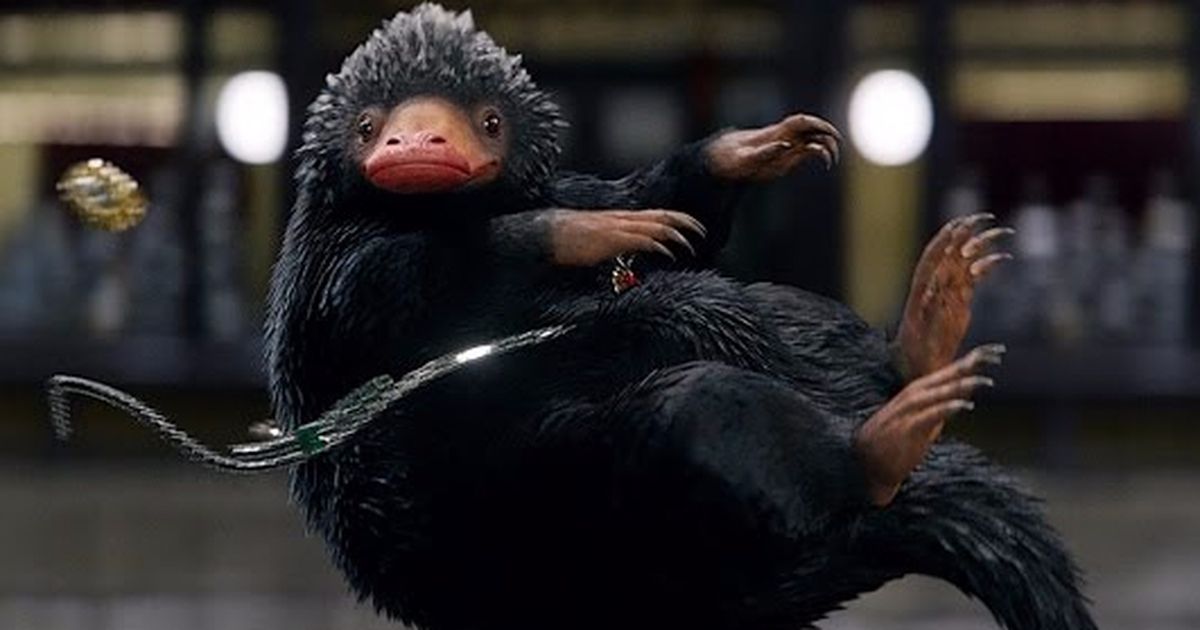
Fantastic Beasts and Where on Earth is This Going?


D'awwwwwwwwwwww

Woof, these movies.

Since the second movie is newly out, I'll try not to spoil too much, but be warned. There are criticisms ahead.

I want to love them. I do love aspects of them, particularly Newt Scamander himself, who is a darling cinnamon roll of a human being. Over two films, there are some real strengths and some real weaknesses. Bothering me at this present moment, is one central concern: this series does not know what it's about.

The first film started out well. I'm not a purist, so the idea of more films exploring the same world appealed to me. I didn't much care when they had to rewrite some of Newt and Dumbledore's history, so as to allow for the new world and stories to exist. Most of those details hemmed the world in such that it would have made for boring movies. Early writing by Rowling portrayed Newt as a low-level ministry worker who gradually rose through the ranks by doing exceptional work and never rocking the boat. That character is markedly less interesting than the "new" Newt.

More importantly, the first film seemed to strike the balance "right" when it came to sequels and choosing what to change and what not to. Because this movie was taking place in a new time period, with a new cast of characters, most fans I spoke to were willing to give the movies a chance. They weren't messing too hard with beloved characters, like the original power trio. Superficially, they were starting over. But just because these movies aren't about Harry Potter doesn't mean they aren't sequels. Realistically, they're still being marketed to the same demographic who read and loved Potter, and so long as that's the target audience, certain expectations are going to come into play.

So what are those expectations? And how well do the Fantastic Beast movies follow along with them?

The first movie featured a couple key ways they matched the original Potterverse. One, the first movie was still a mystery about a particular magical element, in this case, Obscurials. There were ways the mystery format felt a bit weaker, with the villain actually doing more of the investigating than Newt himself, but from the first scenes of a giant shadowy thing ripping up New York, we knew what the central mystery was.

Second, much of the appeal of the Harry Potter books came from fun characters who loved each other, running around together, trying to solve problems. The first movie mostly succeeded here too. Watching BFFs Jacob and Newt go on adventures, and gradually pick up Queenie and Tina was a hoot. I wish Tina got a chance to act out an emotion other than "worried" more often, but hey. The rest of the cast was great, and I didn't dislike her, so it was a solid start. In fact, of everyone in the second film, Tina wins the award for "most improved." It turns out, she does have something beyond resting-worried face to offer the world.

Even when flirting, so very very worried.

Third, elaborate world building. While Hogwarts is far more iconic than 1920s New York, or any of the locations used in the sequel, other aspects off the world design really have paid off in both films. The original Fantastic Beasts was actually the first film in the entire series to win an Oscar, because the design team was freed up a bit, and they really knocked it out of the park on costuming.

Visually, the sparkle is still there in the second film. But aside from a better version of Tina, categories one and two took major hits in the sequel. The plot suffers from a syndrome where everything is explained at the eleventh hour, in the final act, and up until then, it feels like characters are just running around, communicating poorly for the sake of maintaining "tension." What this means is that what the central mystery is doesn't become clear until the very moment it's solved. Or possibly never. YouTube is littered with videos right now "explaining" that "crazy ending" in the second movie because, unfortunately, it needs either an encyclopedic knowledge of previous Potter material to follow along, or someone who has that knowledge to excitedly wave their arms at you and talk you through for an hour after the film. (For those in need of services, I charge a reasonable fee for my Harry Potter frantic arm waving)

Second, they botched the friend group dynamic way too soon. Some might rightly point out that the Harry Potter books weren't afraid to let the characters fight and have drama. But there was still a status quo they got back to by the end of each book. Come end of term, Ron and Hermione were no longer sniping at each other and Harry was no longer morosely avoiding one of them. Their friendship was always a power they could rely on when things got bad. Even when she was frozen by a basilisk, Hermione still gave the boys the final clue to defeat Voldemort. In the interest of going "darker," the second movie denied us the entire dynamic that made the first movie and every Harry Potter book fun. And that sucks.

What follows is an incoherent, messy plot where you're not sure who you're rooting for and you can't tell why you're being led into each scene. And why does the camera keep cutting away right before newcomer Lita Lestrange can just SAY what the deal is? Poor Lita. A few more minutes screen time, and this whole movie could have fallen into place an hour earlier.

Fantastic Beasts: The Crimes of Breaking Viewer Expectations

The second film briefly returns to Hogwarts, where Dumbledore is teaching Defense Against the Dark Arts. I loved all the scenes that took us back to the place I fell in love with as a child. I couldn't help thinking, "man... I wish we were watching the movie taking place here."

You could sense what the story going on in the background was about. McClaggen coming to Dumbeldore's defense brought back wiffs of Harry himself. Lita Lestrange, misunderstood Slytherin girl with a weakness for gentle Hufflepuff boys, spoke to the odd-duck friendships we loved in the original. The first series knew what it was about, and when these films echo that sense of purpose, they're at their best. Unfortunately, they aren't willing to embrace the past.

The warning signs were there from the beginning. Those involved with making the films said years ago that the second would be very different from the first. They made good on that promise, but likely went too different too soon.

Right now, as I try to find the essential qualities of the franchise, my list is an abbreviated mess of both good and bad qualities, none of which I feel certain will last until the next movie. The friend group didn't, so what else is up for grabs? If I had to guess, based on the first two films, here is my recipe for what stays consistent in a Fantastic Beasts movie:

A most important movie element

- Newt Scamander introduces us to a new dangerous animal, that is secretly very sweet. This will always be the best scene in the movie.
- Nifflers!
- Let's visit a new swanky city in the 1920s! Hurray for costumes!
- Newt runs around town in a sequence of not very plot-centric adventures
- Tina is worried.
- Grindlewald is the villain... he's a completely different kind of villain between two movies, but he's still the villain.
- There is a central mystery but who - if anyone - is solving it is even more mysterious.
- Everything is navy blue and probably taking place in an alley, where silhouettes converse
- One of Newt's beasts helps save the day.

I really hope that last one remains true. By far, the most compelling aspect of the series is that Newt sees humanity in the inhuman. He and his creatures are underestimated, but he knows how to use them to get the upper hand.

If the series doesn't end with an acromantula eating Gridlewald, I'll be very disappointed.

Wednesday, July 11, 2018

Ranking the Best Animated Pictures from Worst to Best

There are very few areas of art and entertainment where I genuinely consider myself an "expert." Standing in the way of this is my awareness that I haven't read/watched/listened to ALL THE THINGS!!! I'm well read, but never, it seems, quite well-read enough. Admittedly, no one is. We all have gaps in our knowledge that makes comparing pieces or picking a "best of the best" very difficult.

By way of example, based on MY consumption of animated television, I would contest that the best children's animated TV series of all time is Disney's Recess. But I've never felt like I can put a real flag down on that claim for two simple reasons: Avatar: The Last Airbender and Steven Universe. I keep meaning to watch these, as both are heralded as some of the best animation of all time. (Like, seriously. I can already feel the lectures coming in the comments). But time is short and I really should spend more time reading than catching up on TV and yadda yadda. Either way, until I do, I'm not confident in any grandiose claims I want to make in favor of Recess.

Which means I get excited when I realize that I DO have some area of expertise that I can start shouting my opinions about, and do you know what I realized today??? I have seen EVERY Oscar winning animated movie. Hot Dog!

Whether or not this is something to shout from the rooftops with pride is probably a matter of opinion. For myself, I say it with some satisfaction. I love animation, and I love that I get to use my position as a children's author as an excuse to continue to engage with animated movies as both a high-brow, snooty pants critique, and a rabid, doe-eyed fan.

And for better or worse, there's a huge range in quality between the various films that have won the award. Some of them I don't really even like. Of course, while this list represents just one personal opinion, I've done my best to explain why, from a craft perspective, one movie fell short compared to another. Some of the factors I'll be considering include: Plot and pacing, character, humor, emotional resonance, art direction and rewatchability. That last one mostly came into play when I had two movies neck and neck and struggled to pick which one beat out the other.

Without further ado, here are the Oscar winning animated features! Some of them even deserved it.

#21. HAPPY FEET (2006)


On the surface, Happy Feet is an inoffensive, plucky movie about penguins that sing and dance. Those basic surface details are done well enough. The penguins DO sing, except for Elijah Wood penguin, who dances! And then more penguins dance! If that was all this movie tried to do, I think it would be substantially better. Once you get below the surface, however, it becomes apparent that Happy Feet is an incoherent mess. It starts with one cliche plot - that of the outsider who must win over his town with his quirky skill/personality - only to trade that cliche plot for a different one about... environmentalism? The dangers of putting penguins in zoos? It doesn't really matter though, because neither plot is done well and neither one makes you care particularly about the characters. Once you get past the glitz of the singing/dancing penguins, there isn't much to invest in. To top it off, the animation tends to stray into the "uncanny valley." For those unfamiliar with the term, this refers to when something is made to look life-like, but is missing that "spark", so you're left feeling like you're watching a moving corpse. For evidence, please look at the above image and try to tell me these aren't robot penguins.

WHAT SHOULD HAVE WON: 2006 was a lean year for animation.  There weren't any great contenders, but even so, the award should have gone to Cars. I'm no apologist for the Cars franchise, but its story was okay and it had characters who at least earned the toys that were made of them. More than the gobbledeegook of Happy Feet can claim.

#20. WALLACE AND GROMIT: THE CURSE OF THE WERE-RABBIT (2005)


Growing up, I was a HUGE fan of Wallace and Gromit. I had knitted plushies of them and everything, at a time when most kids had never heard of these British claymation shorts. (Yeah, I'm gonna go hipster on Wallace and Gromit. Fight me.) I wanted the full length movie to be good so badly, but when it came, it mostly elicited a "meh..." from me. There's some fantastic animation, but aside from that, I think this movie showed that the pair were better suited to short form. The plot was weird in a way that didn't quite hit the same charming note of the previous outings. Also, there was too much Wallace and not enough Gromit. The shorts rode on the appeal of that unibrow dog.

WHAT SHOULD HAVE WON: While not his best of the best, Miyazaki's Howl's Moving Castle was gorgeously animated and quite enjoyable. Also, while I haven't seen it, I know there are quite a few fans of Corpse Bride out there, so maybe it belongs in the conversation too.

#19. BRAVE (2012)


The first time Pixar tackled a princess movie, they got less than stellar results. Brave had a lot of potential, with a fabulous setting, gorgeous animation and fun voice cast. But it's weighed down with a not particularly original "arranged marriage" plot line, a mid-section that grows more boring the more bears are added and a heroine who mostly just whines her way through the movie and never is particularly sympathetic.

WHAT SHOULD HAVE WON: Making this year especially frustrating, there were several better movies that came out in 2012. ParaNorman isn't perfect, but it's fun, creepy and inventive. The Pirates! Band of Misfits is one of the silliest movies ever made and might just be the single best use of the vocal talents of Hugh Grant. But the award probably should have gone to Wreck-It Ralph, which seemed like a big, dumb, goofy story at the time, but has held up on rewatch surprisingly well. 

#18. UP (2009)


MUAHAHAHAHA!!! I'm guessing this will be my first truly controversial ranking. This movie was so adored in it's day, it's one of a tiny class of animated films that managed to nab a nomination for Best Picture. And if this list was a ranking of the best movie openings of all time, it would be very close to the top, if not number one. I'm with you on that, guys. The beginning sequence with Carl and Ellie is so enchanting. In fact, that sequence alone is why this movie is as high up as it is. When it comes to most of the rest of the movie, very little of it worked for me. The villain plot feels so weird and tacked on, the dogs are annoying and the story of Russel and Carl feels drowned out by these two overblown elements. That being said, this film absolutely did deserve the Oscar it won for best original score. What I'm saying is I understand why people like this film, but I think it's got some pretty glaring weaknesses. That, or you all like talking dogs making unoriginal squirrel jokes 1000% more than I do.

WHAT SHOULD HAVE WON: Any of the four other movies nominated this year. The Secret of Kells is one of the most unique and lushly animated movies I've ever seen. Fantastic Mr. Fox is strange and hilarious. Coraline is the most terrifying thing with a label that says "for children" slapped on it, and that's kind of awe-inspiring. And The Princess and the Frog feels like a love letter to earlier Disney movies, told with gorgeous, hand-drawn animation and a fantastic musical score. Honestly, all are brilliant and all have better stories than Up.

#17. TOY STORY 4 (2019)


When this movie was announced, I was among those voicing displeasure at the idea, due to how nicely the third movie wrapped up the franchise. It felt like we had already bid these characters a heartfelt good-bye and there wasn't much more to say on the topic. Upon watching the most recent film, I softened slightly. Most of Disney's attempts at an animated "franchise" haven't yielded great results, but the Toy Story films are the exception to the rule. This movie packs a lot of the same heart and humor of the previous movies and--once again--gives our favorite characters a fitting send-off. But... it is a WORSE send off than the last one and all through the movie, I couldn't escape the feeling that this didn't need to exist. Watching this felt like someone was trying to wring water from a dry towel. 

This one better be the last one though, as the Toy Store formula is already showing it's threadbare overuse in several places. The Key and Peele carnival plushies were obnoxious, plus it felt like we got scenes of them instead of more content with Jessie, Slinky and Rex, who were all sorely missing from this outing. As time has passed since I watched this, it's incredible to me how much of this movie has just vanished from my brain and left me feeling dissatisfied and annoyed with the parts that did stick.

Note from the future: It's not the last one. They've announced another. I am ready to hate it. I am a hater. Also, as the years go by, the more comfortable I am just stating outright that I do not like Toy Story 4. It currently holds the ceiling on the "didn't like it" tier of award winners.

WHAT SHOULD HAVE WON: Netflix's Klaus is probably my favourite Christmas movie released since the 1980s and it absolutely deserved the award. The characters are admittedly stronger in Toy Story 4, but that's due to a three movie backstory advantage. Klaus had to win viewer investment on its own merit, not just by our immediate associations from the previous franchise. Add to that, Klaus had an innovative animation style that pushed the art form in ways we haven't seen in years. And while parts of Klaus's story were ridiculous and forced, it managed one thing that Toy Story 4 did not, namely making me cry at the end. Still, Toy Story 4 is gorgeously made and very enjoyable, so it's no surprise Netflix wasn't able to wrestle the top prize from Pixar's grip this year.

#16. BIG HERO 6 (2014)


This movie is where the list starts to flip from "not very good" to "actually pretty good, just not as good as other things that came out the same year." Generally, at this point in the list, I don't yet LOVE the films, but I'm starting to like them. Big Hero 6 is undeniably flawed, but still with good elements that secure it's place ahead of some of the other weaker entries. The visual design is super fun and pretty, but c'mon. We all know what the best part of this movie is, and it's Baymax.

The great success of this movie was Baymax, who is so lovable, he almost drowns out all the things that don't really work about this film. Things that don't work include: a villain plot that makes no sense, technology so powerful it's confusing how it didn't solve the plot in ten minutes, and a supporting cast who feel more like catch phrases than fully fleshed characters. Still, the central relationship, between a boy grieving for his brother and the robot nurse who tries to help him is lovely and deserving of praise. Like a lot of films in this tier, 

WHAT SHOULD HAVE WON: Of the mainstream studios, How to Train Your Dragon 2 was the strongest nominee coming from North America. However, there were some notable snubs this year. The Book of Life is a super fun film, with a unique animation style, that would have been nice to see at least get a nomination. Meanwhile, The Lego Movie is one of the most enjoyable, thoughtful, heartfelt toy commercials ever made. Maybe it was the early February release date, but somehow, come award season, this Master Builder Piece got snubbed outright. It should have fought it out with Princess Kaguya, one of Studio Ghibli's most gorgeous films, which has such a marvelously inventive animation style, I'm inclined to want to see the award go to it, even at the expense of my beloved Lego Movie. All this to say, the field was pretty stacked this year and Big Hero 6, for all it's cuteness, was one of the weaker movies in the pack.

#15. SOUL (2020)


Pixar is one of the most consistently exceptional film studios in Hollywood. While they've made a few duds, a large number of their films are among the best animated movies ever made (check out the end of this list for more examples). So it is with great reverence I say that if someone picked Soul as their favourite Pixar movie, I would understand and not call them crazy. For me, Soul was a little uneven, but the parts I liked, I liked SO MUCH. The design of New York and the characters, the portrayal of jazz music and Joe's relationship with his mother. Plus, the overarching theme of life having meaning simply because it's worth being alive is a refreshing perspective in our productivity obsessed culture. Those aspects pull the movie up to this position, despite a couple of flaws that keep it from being one of my favs. The biggest issue holding it back is that the movie ends up in this awkward position of raising questions about both life and death, while having nothing to say about the latter. And yes, I know this movie really wasn't "supposed" to be about death, but the framing device is still incredibly distracting and murkies the morality of Joe's decision to sacrifice his existence for 22. Also--and possibly just as important, considering how it impacted my enjoyment of the film--while the rest of the movie was gorgeous, the design of the cat was super ugly and I hated it and I never want to see that cat again.

WHAT SHOULD HAVE WON: I haven't seen Wolfwalkers yet, but given how much I loved Secret of Kells by the same studio, I'm guessing I'll like it better. The reviews are stellar and I can't wait to see it.


#14. RANGO (2011)


Rango is one of those movie's that got way better critical reviews than it probably deserved for one simple reason: it's appeal rode on nostalgia for Old Hollywood, something film critics and Academy voters are big-time suckers for. That being said, if you fall in that camp at all, it can be quite enjoyable. Rango is a weird movie that follows a lizard who wants to be just like Clint Eastwood, who gets the chance to when he rolls up in an antiquated, Old West town of suffering animals that exists in our modern world because... why not? The animation is quirky and interesting, at least, and the film kinda works as a goofy experiment. 

I used to have this movie rated several spots lower on the list, but over time, I've realized one thing really separated Rango from some of the so-called "better" films above it. I LIKE Rango. When I think about it, I'm not immediately frustrated with some aspect of what it was "trying" to do, but failed, because all-in-all, it does what it means to. It's not the most moving pieces of art on this list, but it's whole and complete and confident in it's weirdness. So I'm honoring that now. Rango is good, go watch it, since it's probably the movie you're least likely to have seen on this list.

WHAT SHOULD HAVE WON: The big player studios--Disney, Pixar and Dreamworks--didn't have great showings this year. Kung Fu Panda 2 was the best of their output, which I can't say is a movie I care very much about. A Cat in Paris has been highly recommended to me, but it's always tough for indie, art-house animation to take home the Oscar. Similarly, it's super hard for Christmas movies to do well. Arthur Christmas got snubbed outright, even though it's gone on to become an absolute classic of a Christmas film. I watch it almost every year and until Klaus came out, I would have said it was the best Christmas film released in decades. In a perfect world, it would have been recognized in it's time and taken home the Oscar.

#13. SHREK (2001)


I'm slightly too old to be nostalgic for Shrek. It's not foundational to my childhood the way Disney Renaissance films are, and I never loved it enough to mistake it as the answer to everything wrong with the Disney brand. And yet, as the movie enters it's twenties, I'm heartened to say that a lot of it has stood the test of time. At times cute and charming, at times extremely mean-spirited in it's mockery of Disney (Dreamworks Animation was founded by an ousted Disney animator/director, and you can bet Jeffery Katzenberg did not go gentle into that good night), Shrek still manages to come together as an enjoyable oddball tale. There are probably too many pop culture references and poop jokes. It set a bad precedent for later Dreamworks films by ending with a dance party. But the characters are memorable and voiced to perfection. Plus, that "do you know the muffin man?" sequence gets me every time.

WHAT SHOULD HAVE WON: Fun though Shrek is, I don't think it has the sweet charm of Monster's Inc. In a perfect world, we would have been less dazzled by the quick satire on display here and gone for a story that's much more inventive and touching. Still, as a tween watching the first animation Oscars in 2002, I was so rooting for Shrek to take the prize home. At least it spoke to it's target audience well.

#12. RATATOUILLE (2007)


Just as Up would rank higher if this list was entirely about openings, this one would place better if we were only considering the movie's end. It's always difficult when a piece tries to represent the aesthetic experience of one of the five sense that is not inherently addressed by the art form currently in use. It's why books have to find very creative ways to truly evoke sound, and why Ratatoille had to work so hard to properly portray the sensation of taste. But in the end, did they ever nail that one, key element! Ratatouille succeeds as a meditation on food, pleasure and pursuing your passions. It's not the most magical of all Pixar's offerings, with characters that are less interesting than many others, but the story builds from something that was decent, if not brilliant in the beginning, to a very satisfying conclusion. The ending helps edge it up to here.

WHAT SHOULD HAVE WON: There wasn't super stiff competition this year, however, one underrated gem could, by some accounts, make for a stronger winner. Surf's Up is roughly a million times better than a movie about surfing penguins has any right to be. I love it, and find it more rewatchable than Ratatouille, but if it had won, I'd probably have it ranked at exactly the same spot and would be arguing that Ratatouille should have beaten it. They're very different films, but surprisingly even matched.


#11. FROZEN (2013)


Right here at the half-way point through the list is when I think the movies go from "good" to "truly great" and deserving of the prestigious Oscar award. Frozen signaled a return to form for Disney Animation, ushering in a time when it's become a toss up whether they or Pixar are going to take the Oscar home each year. This movie is so loved and watched, I hardly need to sing it's praises. The music is fantastic, the central relationship between Anna and Elsa is incredibly moving and Christoff is one of the best love interests Disney has ever created. A few elements are clumsily incorporated - the troll clan, the lack-luster villain, the jarringly odd way Olaf is animated compared to the rest of the movie - but over all, it's a solid film that maybe lost some fans recently due to over exposure. If I could remake the Oscars in any way from that year, all I would do is take the award for Best Original Song away from "Let it Go" and give it to "Do you Want to Build a Snowman?" which is the funniest song that ever made me want to cry.

HONORABLE MENTIONS: None of the other North American releases nominated this year really held a candle to Frozen. Both Despicable Me 2 and The Croods are underwhelming. Even The Wind Also Rises, from Studio Ghibli, is one of the weaker films from that studio. I'm happy with Frozen taking home the title, given the competition.

#10. WALL-E (2008)


Like Up, WALL-E is a movie I tend to rate a little lower than most Pixar fans, and for almost the same reasons. The beginning of WALL-E is much stronger than the second half. However, while Up has twenty amazing minutes, roughly an hour of WALL-E's run time is so exceptional, I really do feel guilty placing it this low. It's more indicative of how fantastic the later entries are.  I don't love the heavy handed story telling aboard the Axiom, but I don't hate it either, so I can focus more of my attention on the good parts of this film. The opening shots of Earth and WALL-E's mundane every day life, intercut with music and footage from Hello, Dolly are so moving. This is a film that also really lets the animation speak for itself, with most of the story told visually or with music. In fact, the film only really begins to flag once the speaking human characters are introduced. Overall, a breathtaking, groundbreaking and deserving winner.

HONORABLE MENTIONS: Considering how weak the animation offerings were some years, it's such a shame that Dreamwork's two best movies came out in years that they really didn't have a chance against what Pixar put out. This year's tragic loser was Kung Fu Panda, which has some of the best choreographed combat sequences not just of animation, but any film. A true credit to the Kung Fu movies it is a pastiche of.

#9.  COCO (2017)


Compiling this list, it was right around the point when I had to slot Coco in at this low that I kind of panicked. HOW? How did a film this good fall so low on the list? Again, like the entry before, it's more a testament to what comes later. Coco is a beautiful and worthy entry into the Pixar canon, something we hadn't been treated to for a few years. Pixar has fallen victim to sequelitis, but occasional gems like Coco still slip through. Anyone who saw this movie in theaters can attest to how gorgeous the animation is. It's also a good example of how a cliche plot can be retold in a way that makes it compelling again. Coco and Happy Feet essentially start with the same plot (outsider has a weird hobby) but the end products couldn't be further apart. Thematically, Coco is a brilliant meditation on family, culture, memory and death. And if you say you didn't cry during the end, I denounce thee a liar.

HONORABLE MENTIONS: I have heard amazing things about both The Breadwinner and Loving Vincent, but since neither got wide releases, I haven't had a chance to see them. Opinions forthcoming!

#8. TOY STORY 3 (2010)


Toy Story is that rare series that actually improved over its long run. I love talking about these movies in the context of world building, since its a very good example of using a simple fantasy concept, then plumbing it for all the depth possible. The question of "what if toys were alive" is answered so richly in each installment. And not just the goofy stuff they can get up to (like a Mr. and Mrs. Potato Head getting married), but in terms of the emotional struggles that would naturally grow out of their relationships with children. Each subsequent film pushed a little further, until you get to the third and best entry in the series. The feels are out in full force, with much of it serving as an allegory for death and rebirth. When I saw this in theaters, most of the showing's audience was my age - early twenties, and sobbing along as we watched Andy let go of the toys that had comforted us for so many years. It's a touching, powerful film and a beautiful farewell for the series. Even now, I can't escape the feeling that the fourth one wasn't necessary. The story felt  resolved here. Regardless, I think this film will continue to stand as a landmark example of how strong sequels can actually be.

HONORABLE MENTIONS: It kills me that this was the same year How to Train Your Dragon came out. Both of these movies hit me profoundly. Dragon's achievements include one of the best father/son story lines out there, a dark color palette that was fairly revolutionary when it came out and an aerial flight scene that I think is one of the best uses of 3D in the past decade. Still, Toy Story 3 had the more surprising and ground breaking story. It did things you generally don't see in children's media and for that reason, deserved all the awards it won.

#7. FINDING NEMO (2003)


Another closely ranked entry. I'm not 100% certain which of Finding Nemo and Toy Story 3 is my favorite, or even which is the artistically stronger (jf you can even make such a comparison). But I've gone with Nemo in the lead because it's the one where the details have stuck with me just a little more. It's such a tenderly animated story, with beautiful quiet moments that we don't always get to enjoy in our current blockbuster movie climate. It's also a really well crafted story, perfectly balancing Nemo and Marlin's arcs so that they interlace and inform each other throughout. At the suggestion of one of my professors, I once charted this movie's plot out and yup. The technique in balancing the story is pretty amazing.

HONORABLE MENTIONS: There wasn't much else on offer this year, though the foreign market provided The Triplets of Belleville. It's another one on my to-be-watched list. A list that gets longer and longer as I work on this blog post.

#6. ZOOTOPIA (2016)


She's a bunny who plays by the rules! He's a fox who does what he wants! HOW WILL THEY EVER WORK TOGETHER??? In all honesty, that pitch kinda sucks. This wasn't a movie I felt excited about leading up to its release, since it sounded like a stereotypical buddy cop comedy. Then I went and my jaw about fell off as I found myself watching the best movie about intersectionality and identity politics I'd ever seen. I spent most of the second half muttering, "is this film going to go there? Holy crap. It's going there." It's another one that benefits from rewatches and with jokes as great as jokes can joke, remains enjoyable. This is another example of world building done right. The concept of "animals live in a city together" has been done a thousand times before, but this was the first time that concept was followed all the way to making animals proportional to their real life counterparts. From just that little change, the implications are fascinating and, at times, terrifying. I love this movie so much. It does a brilliant job of working as an allegory for a lot of our own modern problems, without the baggage of being able to map anything directly from it's world onto ours. A tough balancing act, and one that makes this film all the more valuable.

HONORABLE MENTIONS: This is the highest entry on this list where the "also ran" category includes a film I've seen that might honestly be better than the winning film. Because Moana sure is great, isn't it? I love both movies and would probably place them around this exact point on the list. After a long spat of mediocre movies, it was great to see the studio return to form in a big way. 

#5 ENCANTO (2021)


Did you know for a hot second, Disney thought this film was a failure? One of their first movies to debut in post-pandemic theatres, almost no one went to see it. Admit it! You saw this one on Disney+ too! I'm keenly aware of this, because being the absolute fangirl I am, I dragged a couple of friends to this and the theatre was empty. There was this brief, blissful period where no one was talking about this movie and the three of us felt like we had this special secret we shared. We listened to the soundtrack, talked about the themes, and people around us didn't get the big deal. 

Then it came out on Disney+, the world went bananas for Bruno and the rest is history. Encanto, man. I honestly wasn't sure where to rank this one. I left the four ahead of it as is, since I think they're more important films artistically for one reason or another, but of every film on the list, this is the one that most makes me cry uncontrollably. It beat out Coco. How did it outcry Coco????

Encanto is a gorgeously animated film about self-love, healing generational trauma, and coming to understand and forgive those who hurt us. It's themes are wonderfully universal, yet it's also rooted in the achingly specific tragedy of violence in Colombia. It's no secret Disney has been in an era where they've tried to make their movies more inclusive and diverse, and within that effort, to my very white eyes, Encanto is the most successful at representing the communities it features and telling a story that feels grounded in their culture. This feels like "baby's first magical realism" which is a literary genre that's strongly associated Colombian authors, which is just super cool. It also succeeds on a storytelling level in some areas other entries on this list have faltered. I'm thinking in particular of it's massive cast of "quirky characters" that often get under-baked in Disney films. Big Hero 6, Toy Story 4, and even Coco all have issues with sprawling casts that don't amount to anything. But in Encanto, there are a dozen different characters to love and sing-along with, and every one of them feels unique and special. Yet the story also stays fundamentally Mirabel's, even as it uses her as a means to explore her super-powered family. I love this movie, and it may just have the biggest heart of any on the list.

HONORABLE MENTIONS: 2021 ended up being a banner year for animation. Luca was delightful, Mitchells Vs the Machines was hysterical, Raya and the Last Dragon was... also there. I know there are people who loved Raya, but that one didn't do it for me, though it was very pretty! The other two, though, were solid entries I would have been happy seeing get the prize some other year. I have no qualms about Encanto winning, but it was a great time to watch animation.

#4. SPIRITED AWAY (2002)


As we get into the upper end of the list, a lot of these choices come down to personal preference. With this film in particular, I can see a strong argument for why it should be considered the best of the bunch. This is Miyazaki's masterpiece. The animation is spectacular, the story somehow both simple and surprising, the characters lovable and iconic. No one does detail and fantasy in animation quite like Studio Ghibli, and I'd easily be persuaded their films are the best animated fantasies ever made. Everything about Spirited Away is incredible, and a perfect use of the medium. If you haven't seen this one yet, get it. Do it now. If you haven't watched much Japanese animation, this is a great place to start, as the English dub is very well done.

HONORABLE MENTIONS: The rest of the field included some fun flicks, though none of them were in the same league as Spirited Away. The best-of-the-rest goes to Lilo and Stitch, which is a charming, though uneven movie.


#3. SPIDER-MAN: INTO THE SPIDER-VERSE (2018)


This is not only one of the best animated movies in years, it's also the best Spider-man movie ever made. Just about everything not only works, but exceeds expectations in this action-packed, emotional journey about what it means to be a hero and take up the mantle of arguably the most popular superhero of our time. By centering the story on Miles Morales, this movie was able to break away from the numerous other Spider-man adaptations, while somehow also both killing Peter Parker AND giving us what might be the most emotionally complex version of Peter ever. I cannot tell you how often the image of Spider-man sobbing in his bathtub--a broken, divorced man in his thirties--has haunted and delighted me. It's simultaneously one of the saddest and funniest things I've ever seen. Meanwhile, Miles interjects some delightful personality as the classic teen-aged Spider-man, wrestling with insecurities and responsibilities that are too much to ask of a kid so young. It goes without saying that the visual style of this movie is also phenomenal. The only thing keeping this from the top of the list are some slight cliches in the villain plot. Kingpin is a better, scarier villain to face off against than most superhero movies provide, but he's still no Joker or even Syndrome. It's a minor quibble in an otherwise phenomenal film.

HONORABLE MENTIONS: I'd like to think this year was a wake-up call to Disney and Pixar, who both turned out rather by-the-book sequels in Incredibles 2 and Ralph Breaks the Internet. It's rare they don't take home the award, but this year was an easy call, given the artistry and storytelling on display in Spider-verse. Also sneaking in was another Wes Anderson animated film, Isle of Dogs, which I still need to see.

#2. INSIDE OUT (2015)


Every so often, animation manages to do something that not only pushes the boundaries of it's own form, but film itself. In the case of Inside Out, this might just be the best representation of mind and emotion on film. And I can say that with authority, guys. My sister is a philosopher who studies mind and emotion and SHE agrees. So there. Inside Out not only gave us a wonderful, fun story to enjoy, it shed light on how people actually experience depression, and how memories and personalities shift over the course of our lives. Conceptually, this film is brilliant. Every time I rewatch it, I find something else to ponder, and that's rare from any movie.

HONORABLE MENTIONS: It was a pretty easy win for Inside Out. I've heard mostly lukewarm reviews of the rest of the field, but if there are any hidden gems in there, do let me know! Always open to more recommendations.

#1. THE INCREDIBLES (2004)


To me, the recent sequel to this film and all the small ways it fell short really highlighted how hard it is to make something this strong twice. It is, in my opinion, as close to perfect as any film will ever get. It succeeds on every level. The score? Instantly recognizable. The action sequences? Tense, exciting and well motivated by the plot. The humor? Relatable and sharp. The characters? Flawed, but with that verve that drives you to root for them. It's a brilliant story about the stresses of ordinary family life, and simultaneously one of the best razzle-dazzle super hero movies ever made. Interspersed with the spectacle is some thoughtful commentary on what it means to be exceptional vs normal, something the sequel is careful to do as well. I have to give a shout-out to director Brad Bird, who really nailed this. To me, his films suggest that he sees the ways our private lives inform the mask we show to the world. It's this awareness that gives the film its depth and continued success. He never loses sight of the Parr family as human, even while exploring what it means to be super human.  The end result is - dare I say it? Incredible.

HONORABLE MENTIONS: The best of the Shrek series, Shrek 2, came out this year. It's major contribution to the world was Antonio Banderas as a swashbuckling cat so... yeah. The Academy chose the right winner.


AND THERE YOU HAVE IT!!!

If there's one thing doing this list has reminded me of, it's the staggering depth and talent on display in animation. So often in North America, we relegate animation to a "lesser" sphere. Because it's drawings. Because it's for kids. But honestly, when I look at this list, I see many films of the same caliber as those that took home the award for Best Picture. Like, dude, you're never going to convince me The Incredibles isn't better than Million Dollar Baby.

More importantly, it reassures me to know that even if animation is still primarily a place for "kids movies" today, at least we're giving our kids something worth seeing.

Friday, May 18, 2018

Speak Easy Speak Love

It's 1927 and down at the Hey Nonny Nonny speakeasy, the jazz is playing and the booze is flowing. Hidden inside a dilapidated manor house on Long Island, seventeen-year-old Hero struggles to keep the place afloat after the death of her mother. With gangs and bootleggers trying to pressure her out of the market, it's going to take her whole crew to keep the speakeasy open.

Luckily, she's got the help of her long-time ally Prince on her side, and sometimes even Prince's mobster connected half-brother, John. The jazz music comes courtesy of rising starlet Maggie, who's loyal to Hey Nonny Nonny to a fault. Plus there's the loving patronage of rich trust fund kid Benedick, who would give anything to run away from his current life of comfort to become a writer. And starting today, there's also Beatrice, Hero's ambitious, would-be doctor cousin, who sees no point in holding her opinions back from anyone. Least of all some upstart, rich boy, writer, like Benedick.

As the summer heats up, so does the battle of wits between Benedick and Beatrice. And soon, it seems everyone at the Hey Nonny Nonny is at terrible risk of falling in love with each other.

What Makes It So Good

As a teenager, my favorite play by Shakespeare was Much Ado About Nothing. I loved the dynamic between Benedick and Beatrice and I still think some of the funniest scenes in theater ever are the ones where the Prince decides it's time to trick the pair into falling for each other. Also, I loved Denzel Washington. And Keanu Reeves. And Michael Keaton. And of course I loved Emma Thompson. And I loved Kenneth Brannagh almost as much as he loves himself.

In my second year of university, I took a course on Shakespeare's comedies, and this was where I realized that my love of the play was, at least in part, largely based on one fantastic adaptation. Read as plain text, it is staggering how much time is wasted on pretending Hero is dead, in order to give the second half a plot line. The parts I loved best about the show are largely over by the halfway point, and then the pace of the play grinds to a halt.

I came out of that class surprised to realize that, while Kenneth Brannagh may have created my favorite Shakespeare adaptation with his movie, there were stronger scripts in the Bard's canon. I've never seen a bad production of Twelfth Night, because the material is just too good.

So when I found out McKelle George was coming out with a book that was a 1920's update of the story, I was intrigued, because a) I love the Jazz Age and b) even with it's slogging second half, there's still a lot to love about Much Ado About Nothing. It still has some of Shakespeare's best characters. I still ship Benedick and Beatrice like no other couple.

I first heard of Speak Easy Speak Love in a class McKelle George taught at the Storymakers conference in 2017. She and a friend were presenting on the topic of writing books that were based on classic literature, and what went into the process of adaptation. They emphasized the importance of balancing between loyalty to the source material and finding places to make it your own. And the best places to make something your own tend to be where the flaws are in the original.

Of course it's important to still love the source material, and believe me, I came to this book with high expectations because I love the original so much. But it was so nice to not see Hero spend half the story pretending to be dead. It was great that Benedick never has to challenge Claudio and the Prince to a duel (because Hero is pretending to be dead) that never happens (because Hero actually isn't dead) and overall, just wastes everyone's time. Who even likes those scenes? Not me, dear reader.

Aside from some smart updates in terms of plot, the book also excels as a loving adaptation of the Bard's work. Within the theater, it's traditional that directors give their own spin on the setting, since the stage plays Shakespeare wrote are so sparse in terms of set direction. My favorite version of Twelfth Night I ever saw took place in a 1960's beach shack.

Similarly, the setting is so lovingly rendered here. The book is filled with fabulous historical touches, that make the place feel very real, and the Author's Note at the end does a fantastic job outlining where liberties were taken, and what the real-life equivalents of these events were.

The characters are all fantastic as well, though a couple chapters in, I had to come to term with the fact that Emma Thompson was decidedly not playing Beatrice. It almost feels like someone else has been cast in the part. Someone who plays up how smart Beatrice is, rather than how charming. Once I got over that, I loved her. Benedick is utter perfection in his big-headed, big-hearted way and the rest of the cast is just barrels of fun. Overall, I highly recommend it.

What Could Make it Better

Like the play it is based on, the book's plot starts and stutters at times. McKelle George actually does a lot of work to infuse plot into a meandering play, but I think there are some inherent problems that emerge when you base a book on story that feels more like a series of awesome scenes than a fully cohesive narrative.

There's an argument to be made that I'm being unfair to the source material. Story plotting worked differently 500 years ago, and I certainly don't mean to discredit the inherent genius of Shakespeare by poking fun at it here. And it's worth repeating that I do still REALLY love this play. It isn't meant to be overly plot focused, which is why we accept the way the narrative skips around between dramatic and comedic, between the main cast and the Dogberry subplot. There's just so many great characters, with interesting things to do. Who wants to be hogtied to plot when all this other fun stuff is going on?

I bring all this up, because this book is also prone to subplots and taking its sweet time to enjoy a scene. I've seen some reviewers mark the book down for this fact, but to me, it was part of the charm. If the plot had been over-the-top punchy, I'm not convinced it would have felt like Much Ado About Nothing. It would have been decidedly Much Ado About Something.

Regardless, it's still worth mentioning, because it takes a while for the central conflict to land. Whereas the original spends way too long in a dreary conclusion, this book is a little slow to finish setting things up. The masquerade that shapes the opening of the play happens close to the middle of the book. So that should give you an idea of where the balance has swung. Overall, this strikes me as a forgivable decision, because again, the first half of the play is the best part. Might as well spend most of the reader's time there.

So if you're at all a fan of the Bard and especially if you also have a soft spot for historical fiction, pick this one up. You'll be singing Hey Nonny Nonny along with the rest of us.

Sunday, May 6, 2018

A Contest Re-Visited: If at First You Don't Succeed...

Two years ago, I blogged about my intentions to go to my first ever writing conference. I was a nervous little bundle of excited energy, heading down to Provo, Utah with my best friend, anxious to see what I would learn at the 2016 Storymakers conference. Also, I was excited to see my nephews because, let's get real, I am super good at mixing business with an excuse to crash my older sister's house.

A few weeks later, I'd come home and posted about some of my experiences, particularly what I learned about receiving critical feedback from the First Chapter Contest that I entered at the conference. You can find that post here, but the TL;DR version is that I didn't win anything, and processing the feedback I got from the judges was difficult because so little of it matched up.

Now here we are today. Just shy of two years later, right on the heels of Storymakers 2018. It's been a good year. A REALLY good year. And I would be a lying, ungrateful wretch if I didn't acknowledge that, at least in part, it's because this year, I kinda - ahem - won my category in the First Chapter Contest. Oh, and I took third in another category, just for funsies.


Now, those who attended the conference with me know that I am good at talking about myself. I've been too excited to be overly modest. The conference kindly gives you ribbons that proclaim your winner status to attach to your name tag as well, so for a couple days, both friends and strangers alike were congratulating me and I am honestly so grateful for all of you who were kind to me.

It also meant I was asked a lot of questions about my work. A lot of people asked what genres I won in, but after that, this was the thing people most wanted to know: How many times had I entered the contest before?

Looking back, I'm trying to remember if I asked that same question of the people I saw walking around with winner ribbons back at my first Storymakers. I know of at least one person, I did. I was trying to process my contradictory feedback, and trying to figure out how much longer/more work it would take for me to succeed. This is such an agonizing place to be in; one that I haven't yet escaped myself, as I continue to query my novels and seek agent representation. In other words, I really get where this question comes from.

I'm certainly not *there* yet. I have a long road ahead of me, littered with success and failures. But if you're like I was then, and how I am now, trying to make sense of the swerving trajectory of an unpublished writer's career, then this post is for you. Here's a two year history of Emily, told over the course of three Storymakers conferences.

STORYMAKERS 2016

Number of first chapter contest entries submitted: 1 (YA Fantasy)

I had a lot of big dreams when I went to my first writing conference. I was going to make friends, learn things, and, with some luck, win all the prizes. In a post like this, it can be easy to focus on the thing in that list that I didn't do: win. While it didn't have any long term impact on my motivation or confidence, I was pretty choked when I saw my scores. I came so close. One judge gave me perfect marks. And another basically gave me a C-.

If you read my post about processing that feedback, you'll know that I claimed to have never found that low mark helpful or instructive. Even though the judge listed ways I could improve, it would have meant changing the things the other judges loved. I can say two years later that the answer is still true. That particular feedback form was never helpful to me, and those are the breaks. I stand by what I said then, that there WILL be people who never connect with your work, and no amount of trying to please them will help you.

It could have happened this year, too. In fact, when I opened my feedback on my winning entry, the first judge said how stressed they were that the other judges wouldn't like it as much as they did. There's some divisive content in the book, you could say. The first paragraph was filled with counsel about what advice I should ignore if a judge who didn't "get" my entry gave me feedback, but I got luckier this year. Everyone who read my book "got" it

But let's return to that list of goals. I had way more success in the first two areas. Some of the friends I made at that conference became a critique group for me during the coming year, and those people have supported me and helped me refine my craft. I'm less alone than I was back in 2016, and that was the main motivator for going to a writing conference. I was tired of trying to write without support and feedback.

And then there was the learning piece. One of the classes I attended was on writing Young Adult Contemporary. I'd never done it, but I liked reading it, and had found myself picking up more and more of those books. I read several more that summer, and gradually, that sparked ideas...

STORYMAKERS 2017

Number of first chapters contest entries submitted: 2 (YA Fantasy and YA General/Historical)

Going into this conference, my expectations were WAY lower, at least in regards to winning things. I'd learned my lesson about reasonable expectations but, oddly enough, I entered more entries. One was the chapter I'd entered the previous year, and based on feedback I got from other people, I had changed a lot of it. However, in doing so, the length ballooned and chapters over 3000 words weren't eligible. I cut the chapter at an awkward point around that mark and knew better than to get my hopes up.

It's hard to compare numbers year to year, since the contest format was revamped between 2016 and 2017, but I think I scored worse the second year. I still did okay, but the awkward break didn't do me any favors, plus people had some legitimate gripes with it, some of which I'd never thought of before. I was... pleasantly startled by the results. I incorporated some of that feedback, and I am very grateful for the people who gave me such thorough comments. Storymakers judges, you guys rock!

I also submitted a very rough first chapter for an uncompleted draft of a Young Adult Contemporary novel that I'd started. One of my critique partners currently HATED my main character's best friend, so my hopes weren't high for this one either. Sure enough, one of the judges questioned why I'd included such an unlikable girl, but across the board I got this feedback: rough, but it has potential. They liked the voice. One judge liked the voice so much she marked me higher than I probably deserved in a couple categories. The judge said things like, "so technically this category is about pacing, and nothing really happened in this chapter but I DON'T EVEN CARE! I love your voice!" Other judges did care. I didn't win anything.

But I felt encouraged. I kept working on that draft, and gradually, my critique partner stopped hating that one character so much. I'm skipping over a lot that happened in 2017, but it was a year of drafting and revising, and then revising again. I queried the project, had less success than I wanted, and then rewrote some more. 

Another important thing happened at Storymakers 2017. One guy placed in three separate categories. THREE! I was gobsmacked! I also realized that I could be even bolder if I wanted to. Winning isn't the only objective, after all, since the judges offered feedback. So why not go nuts and enter everything I had on hand?

STORYMAKERS 2018

Number of first chapter contest entries submitted: 4

This year, I threw caution to the wind. Who needed it???? Not this girl! 

That being said, I went in with reasonable expectations. If people are curious, here are the four categories I entered, and how I did in each one.

YA Sci-Fi/Dystopian - I decided to enter a chapter from a book I'd shelved a few years ago. It was a book I still loved, but hadn't been successful in the query trenches. When I reopened it to cut down the overly long chapter by four pages so that it fit the word count, I think I burned my eyes. Cleaning this up was PAINFUL. I hadn't realized how much I'd improved over the years. I also didn't budget enough time to really perfect this one, but whatever. I was subbing for feedback anyway.  It actually did better than I thought it would, and while I haven't had time to go over the feedback in detail yet, I'm hopeful to have some awesome insights from this.

Adult Speculative - This is actually where I subbed that pesky YA Fantasy from the previous two years. I'm toying with the idea that I need to age the book up. It didn't win anything again, but this time I gave the chapter a better breaking point and judges loved the ending. Overall, I improved my marks from the previous year greatly, and I'm excited that this might be a good direction for future revisions. It also might help explain why the previous two years, there were judges who just didn't connect with it. The story probably works better positioned as an adult story than a YA. I'm not breaking as many reader expectations, like I did for that C- judge two years ago. So maybe I did learn something from that low score after all.

Adult Mystery/Suspense - This is the book I'm currently drafting. It's weird and wonderful and exciting and COMPLETELY outside my wheel house. When I started it, I'd read a grand total of, like, five adult mystery books over the course of my entire life. I'm playing catch up right now, but I knew enough about the genre to know that if someone was dead by the end of chapter one, I would be on the right track. Also, I'd learned by writing my YA Contemporary that my strength was first person perspective character voice, and I leaned hard into that. That's what nabbed me my 3rd place ribbon. To be clear, the judges did have a LOT of constructive feedback, and I'll definitely use it as I finish the draft and catch up on my mystery reading. I'm excited for the encouragement and to see where this book goes.

YA General/Historical - Sweet mercy. I am still overwhelmed, you guys. With the previous three categories, I felt like a long shot. One was an old book. One I was trying to switch age categories. One was in a genre I barely knew anything about. But one was Sweet Pee. A book I loved. A book I'd slaved over. A book a judge told me to change the title on last year and my Pitch Wars mentor told me to change the title on last Autumn and another judge told me to change the title on this year and, dang it, some day I might just do it. Maybe.

I won. I finally did it. I'm freaking out.

To be clear though, winning this contest is not the be-all-end-all of my career or anyone else's. It's a stepping stone and learning opportunity. Believe me, I would have been perfectly happy NEVER winning this contest. I wanted to be ineligible SO BADLY, by getting an agent offer before it came around again. Nope. No such luck.

As it turned out, this conference coming up yet again forced me to improve the chapter, and four pages disappeared from it. Moral of the story: at some point, all of my chapters WILL balloon in length and they WILL need to be cut. I think I had to cut about four pages from every single one of my entries this year. Something is wrong with me.

Additional moral of the story: don't be afraid to try new things. A wild chance at mystery got me third place. More importantly, I got up the gumption to try YA Contemporary a couple years ago, when things weren't working so well in YA Fantasy. It can be hard to do, especially when you imagine yourself being known a certain way and for a certain type of book. It was scary for me, but I'm so glad I did it. 

There have been a lot of different versions of this winning chapter and, as you can see, several others, so if you're currently reading feedback and wondering where you're going from here, please don't give up. Whether it's a contest or a query critique or edit letter, don't give up. It may take you two years or five years or fifty. Or maybe you get it right tomorrow. I don't know. I can't tell you.

But if you keep at it, there are happy endings. Maybe not mine precisely, but you'll find one. I believe that about books. And I believe that about you.